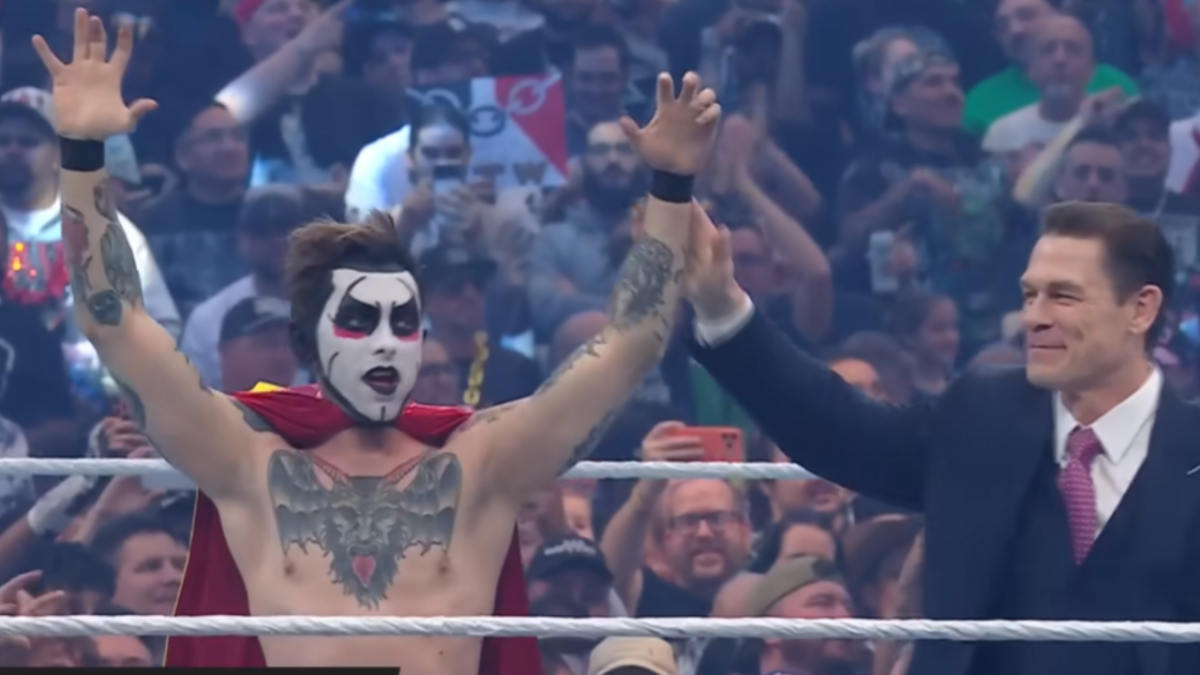
When Danhausen made his WWE debut at Elimination Chamber, it was difficult for fans to know what they were looking at. For more casual fans, the character was an oddball who didn’t necessarily look like a wrestler and WWE didn’t offer much explanation for his emergence from a crate and his accompanying dancers. For fans who have followed other promotions, they may have recognized Danhausen as a successful act who largely stalled out in his AEW tenure (blame injury, blame booking, blame the gimmick, blame the man himself—there are no shortage of fingers to point).
The initial reaction to the character was lukewarm at best as fans were confused and underwhelmed with him being the surprise debut act and with his first appearance. The least likely development of all followed, though. Danhausen got over.
Indeed, Danhausen has become one of WWE’s top merchandise movers and arguably even had one of the more eagerly anticipated matches of Backlash. The questions emerges: how has this character turned into such a success?
Danhausen Is Legitimately Different Than Anyone Else On The WWE Roster
During the Black and Gold Era of Triple H’s NXT, WWE raided the indies and New Japan, introducing a range of talents with different skill sets and looks like Asuka, Kevin Owens, Shinsuke Nakamura, and Finn Balor, not to mention acts that didn’t thrive on the main roster but had memorable runs in developmental like Keith Lee, Adam Cole, and Karrion Kross.
Since the NXT 2.0 rebrand, and in the years to follow, one critique of WWE is that it slid back toward its habit of cookie-cutter developmental talents who looked and worked the same, aside from a handful of notable exceptions.
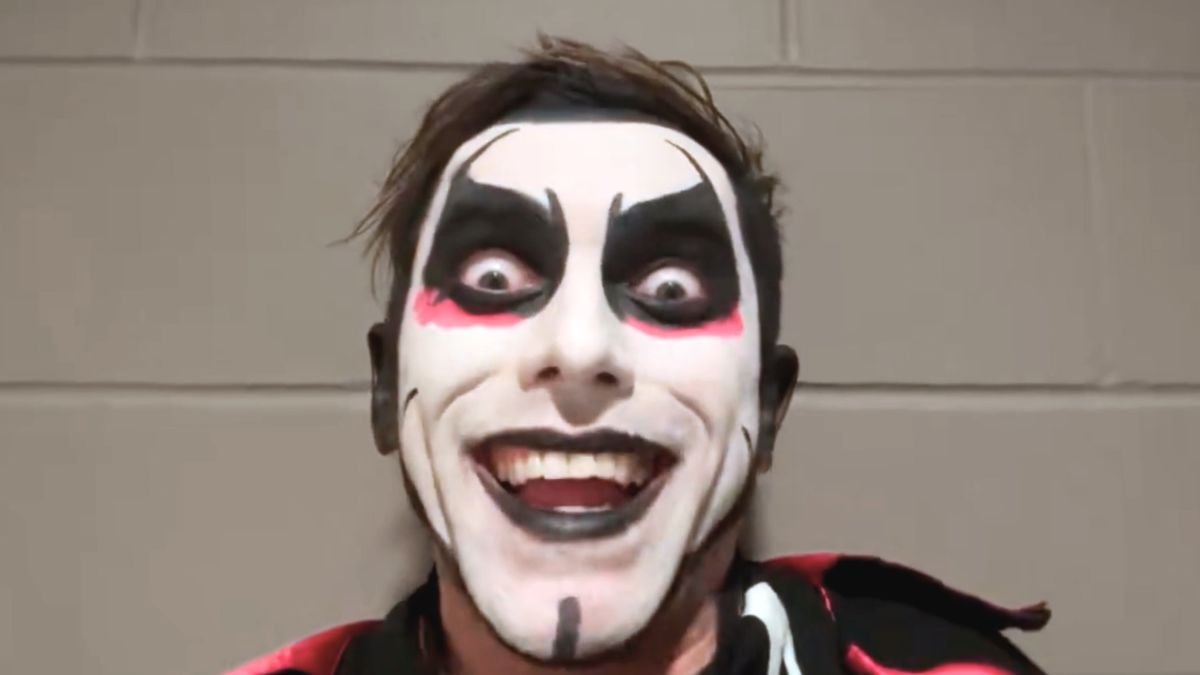
Danhausen completely flies in the face of that movement. With his face paint, unique promo style, and unimposing look, he completely stands out from anyone else on the current WWE roster which has gone a long way toward helping him stick with fans.
Danhausen Embodies A Certain Brand Of WWE Nostalgia
The modern wrestling discourse, particularly on the Internet, revolves around work rate and questions of whom is getting pushed too hard or not enough. Indeed, when an act strikes a chord, he or she inevitably develops a chorus of backers demanding elevation to the main event picture.
There’s something refreshing about Danhausen as an act who is perfectly at home doing screwball comedy in mid-card spots. Maybe he’ll get a run with a secondary or tag team title at some point. Regardless, the gimmick just isn’t made for the WWE main event and in the tradition of acts ranging from Uncle Elmer to Repo Man to Doink the Clown to The Boogeyman there’s something refreshing about a modern act that people can enjoy without demanding more from him.
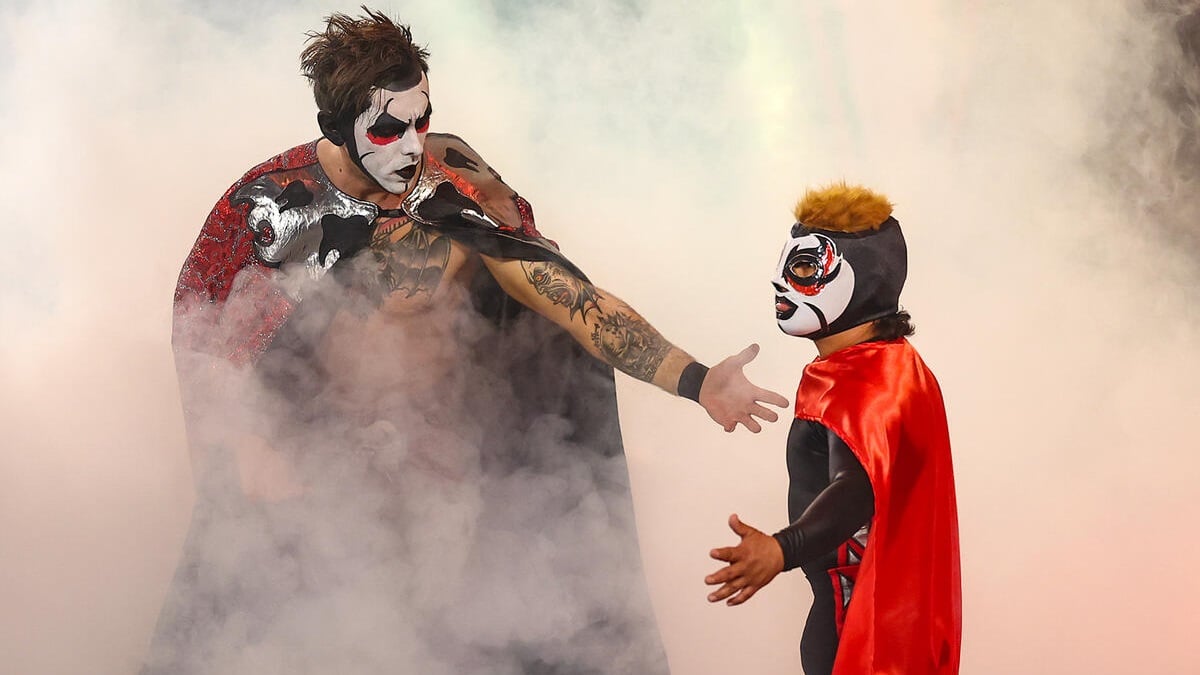
Dimensions like downplaying work rate in favor of theatrics and comedic promos, not to mention the integration of little people into his gimmick has all flown in the face of the modern WWE product and largely delighted fans for how bizarre and engaging everything he does turns out to be.
Danhausen Hits Just The Right Comedic Notes
Comedy in wrestling is incredibly tricky. Quite a few attempts fall flat or age poorly. Comedy also entails a high degree of subjectivity often based on age demographics in the sense that what amuses children has adults rolling their eyes or what adults find funny in WWE often either goes over kids’ heads or is too mature to be family friendly.
Danhausen has somehow threaded the most improbable of needles in arriving as an act the majority of WWE fans seem to find funny. His antics are typically suitable for fans of all ages and combine a sense of absurdity and whimsy to tickle everyone.
It’s telling that, beyond his work during conventional matches and promos, Danhausen has struck a chord by thinking outside the box and tapping into old school fans’ sense of humor. A prime example came over social media, as Danhausen inserted himself in old Backlash hype videos. He’s also somehow made it work appearing on ESPN and cursing teams.
Perhaps most telling of all was Danhausen’s performance at Backlash itself, when he used his “cloning machine” only to produce a little person version of himself. Careful observers could see him visibly say, “oh [expletive]” in response to not generating a full-sized version of himself. The humor skewed adult for the language used, but it was him looking visibly deflated that really sold the comedy of the moment, not so different from his clumsy, smoke-filled exit from the ring at WrestleMania 42.
Time will tell if Danhausen represents a fad or a long-term success story in WWE. Regardless, the act has worked better than most could have predicted. That’s in no small part to the talents and likability of the man beneath the gimmick, whom fans and colleagues alike seem very excited to cheer on.