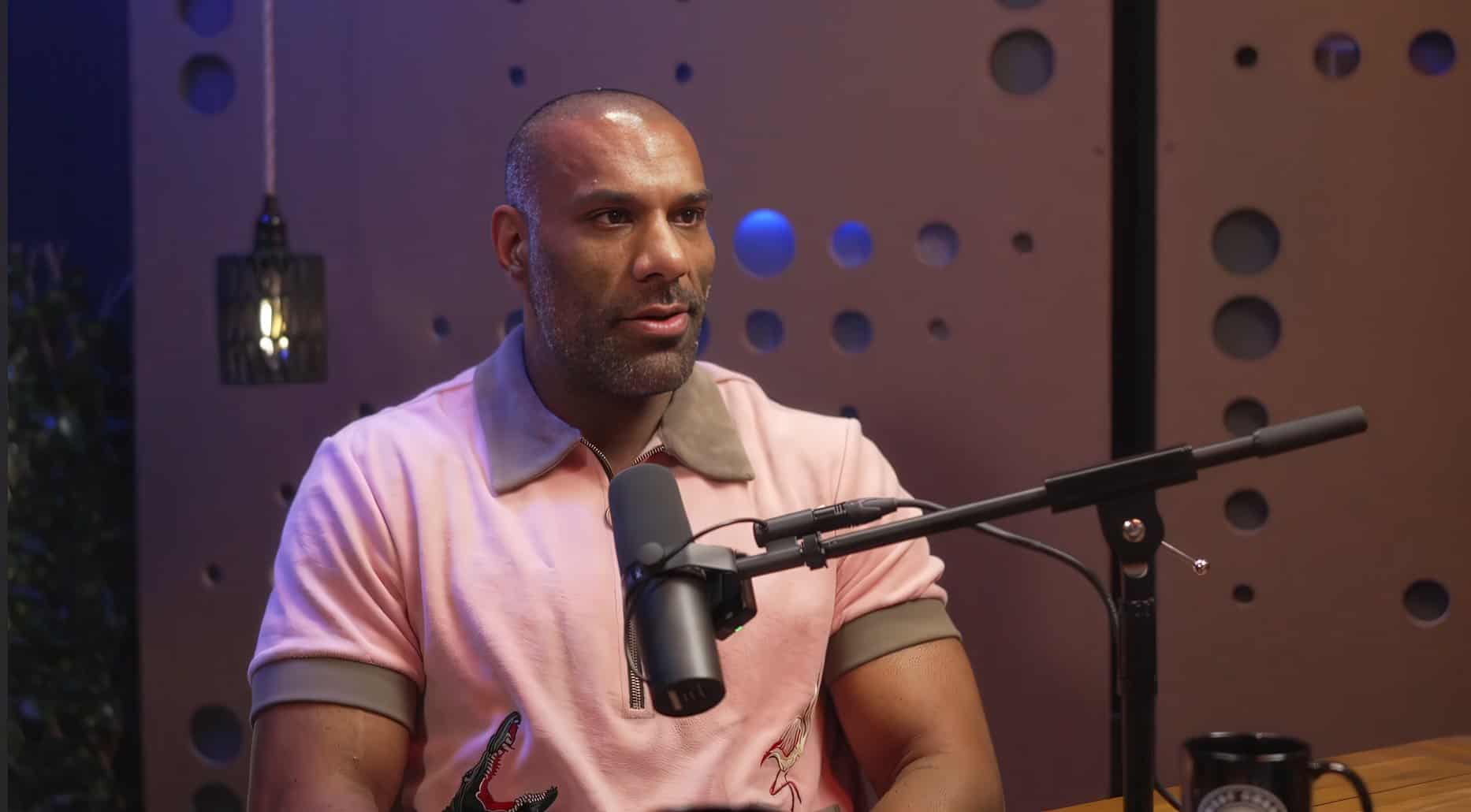
Raj Dhesi, the former WWE Champion better known as Jinder Mahal, believes professional wrestling has a financial literacy crisis and he is putting specific numbers behind the claim.
Speaking with Celebrate Wrestling, Dhesi described the scale of the problem as something he has witnessed throughout his career, arguing that the overwhelming majority of his peers operate in the dark about their own financial situations.
“Financial literacy is super important in wrestling and it’s lacking. A lot of wrestlers, more than 90%, don’t really understand taxes or write-offs or even how WWE contracts or wrestling contracts work. So I want to just provide financial literacy.”
The push extends a financial education series Dhesi launched on Instagram earlier this year, which opened with a breakdown of retirement account options tailored to wrestlers classified as independent contractors rather than employees. Dhesi traced the origin of his interest in financial education back to YouTube content from former NFL players explaining the complexities of multi-state taxation, a challenge wrestlers face every time they perform in a new jurisdiction.
“It’s also super interesting because how I thought of this was on YouTube I started watching former NFL players sharing information about finances, how when they play in different states they have to pay tax in different states, much like WWE. So I just found it super interesting.”
His own knowledge was built out of necessity rather than formal training.
“I was sick of paying too much in taxes so I learned the tax code and what my legal loopholes are of reducing my tax liability.”
The urgency behind the project is rooted in watching what happened to the generation before him, and the pattern he does not want to see repeated.
“My generation of wrestlers saw the previous generation of wrestlers really struggle with finances. You see GoFundMe accounts.”
He also referenced a sobering statistic passed down during his time in WWE’s developmental territory FCW.
“When I was in FCW, we got told that the average WWE career is six years. I think it’s still pretty accurate. And that’s from developmental all the way to main roster, if you make it.”
That narrow window is part of why Dhesi believes young talent should start making financial decisions immediately rather than waiting until they have established themselves on the main roster. He also noted that the current interest in behind-the-scenes wrestling content, particularly through WWE: Unreal on Netflix, has created an audience that is more receptive to honest conversations about how the industry actually works.
“I have nothing to sell, I have nothing to offer, but I feel it’s my duty in a way to give back and educate. It’s a very, very cool industry, there is a lot of negativity, but I want to help foster a change, positivity, financial literacy. It’s all about giving back. This business has given me everything.”